Hardscaping
Retaining Walls & Flower Beds
Engineered walls that hold grade, create usable space and look architectural.
Overview
Sloped lot? A properly engineered retaining wall turns wasted grade into flat, usable, beautiful living space — and protects your property from erosion and water damage. We build with proper drainage, geogrid reinforcement and footings rated for the load they carry — then finish the terraces with raised flower beds and garden walls that turn held grade into planted, living space.
 Written and reviewed by the A-Z Landscaping Design-Build Team Richmond Hill, ON12+ years · 380+ projectsUpdated June 1, 2026
Typical investment
$20,000 – $250,000+
Every project is unique. We provide a fixed, itemized quote after a free on-site consultation.
- Free on-site consultation
- Photoreal 3D design
- In-house crews
- Multi-year warranty
Built Right
What sets our retaining walls apart
Engineered to Hold
Geogrid, base footings and batter calculated for the load.
Hidden Drainage
Drain rock and weeping tile so water never builds pressure.
Tiered & Terraced
Multi-level walls that create garden rooms and seating.
Architectural Finishes
Natural stone, large-format block and clean modern lines.
Why It Matters
Engineered Retaining Wall Contractor Serving the GTA: Structures Built to Hold Soil, Water and Time
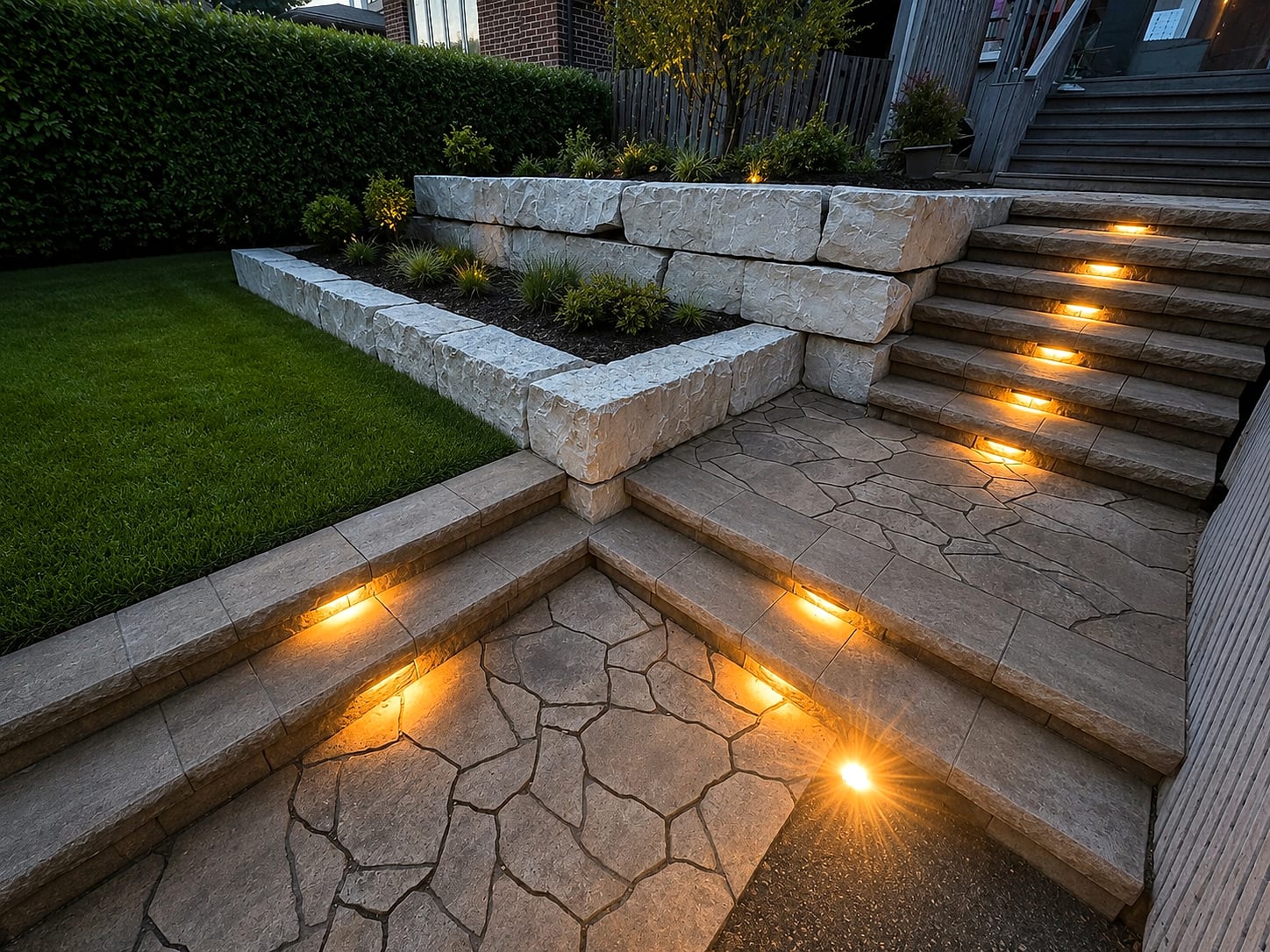
A retaining wall is a structural element, not a decorative border. Its entire purpose is to resist the lateral pressure of retained soil, and that pressure is far larger than most homeowners imagine, rising sharply with height and rising again dramatically when the soil behind the wall becomes saturated. This is why the market divides so cleanly.
A landscaping crew stacking blocks on a shallow bed of screenings produces something that looks like a wall and behaves like a pile, leaning outward a little each year until a course pops and the whole face has to come down.
A properly engineered retaining wall has a designed embedment below grade, a compacted granular leveling pad, a drainage zone that keeps water pressure from ever developing, geogrid reinforcement tied back into the retained soil where height and load require it, and a batter that leans the mass slightly into the slope.
As a retaining wall contractor working throughout the GTA, in Richmond Hill's ravine lots, the steep rear yards of Vaughan and the tight grade changes of central Toronto, we treat every wall over roughly a metre as a structure with a load path, because that is exactly what it is.
The technical fundamentals are consistent regardless of the material. We excavate behind the wall line generously, not just to the block width, because the drainage zone and reinforcement need room.
The base trench is cut below the frost-affected zone where practical, with embedment of roughly one tenth of the exposed height as a minimum, and filled with 150 to 300 millimetres of Granular A compacted in lifts, then screeded dead level, because every millimetre of error in the first course multiplies up the wall.
Behind the face we place 300 millimetres of clear 19 millimetre drainage stone wrapped in geotextile, with a perforated drain tile at the base daylighted to a lower elevation or tied to a dry well, so hydrostatic pressure never accumulates. Backfill is placed and compacted in 200 millimetre lifts with light equipment near the wall to avoid overturning the courses.
Where height, slope surcharge or a driveway above demands it, biaxial geogrid is laid between courses and extended well into the compacted backfill, converting wall and soil into one reinforced mass. Armour stone walls rely on mass, careful bedding, and stone set with the face pitched back rather than plumb.
Walls over about a metre in Ontario generally require a permit and engineered drawings, and we handle that rather than avoiding it.
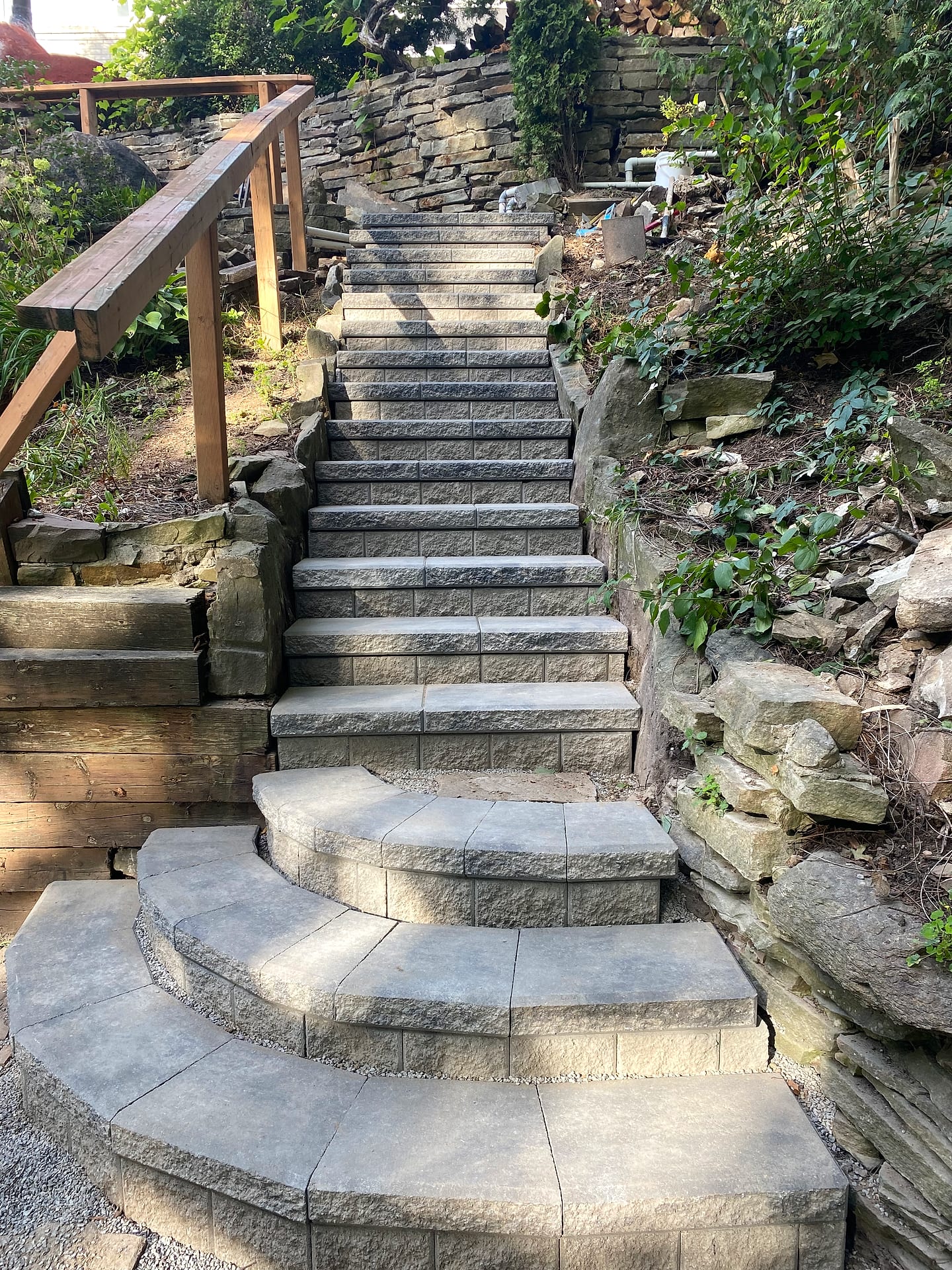
Material selection sets both the character and the practical limits. Large-format segmental block from Techo-Bloc, Mini Creta, Brisa and Quarry Stone, and Unilock's Concord, Pisa and Sienastone, gives predictable engineering with published shear and connection values, tight tolerances and clean modern faces, and it is the right choice for tall reinforced walls and terraced gardens.
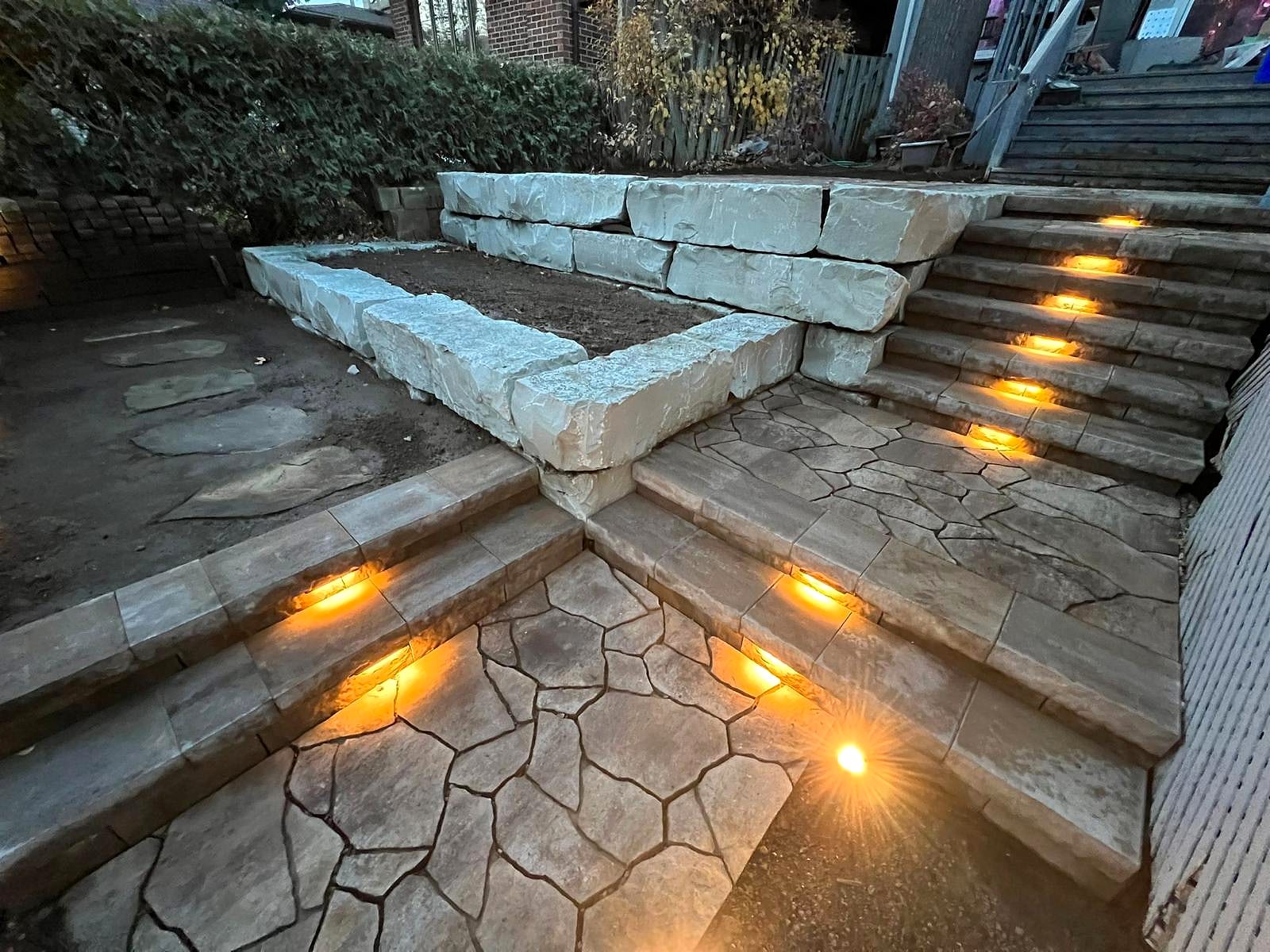
Armour stone, typically Ontario limestone or granite in one to three tonne pieces, delivers a monumental natural presence that suits ravine edges and large estate frontages, and its mass does much of the structural work, though it needs machine access.
Natural stone veneer over a reinforced concrete or block core is how we deliver a true dry-stack or coursed limestone appearance where the site demands real structural capacity and the client wants heritage character. Lower garden walls and raised flower beds, generally under 600 millimetres, allow much more freedom, and here we often use the same paver family as the adjacent patio with a matching coping to tie the composition together.
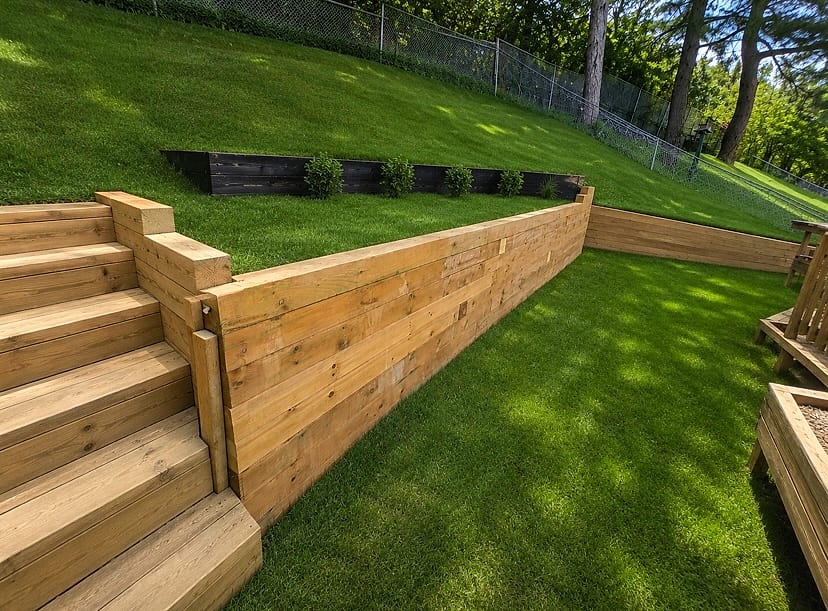
Tiered or terraced walls solve steep grade changes gracefully, though tiers must be separated by enough horizontal distance that the upper wall does not surcharge the lower one, a rule violated constantly in cheap installations.
Because walls are structural, our process front-loads the analysis. The site visit includes shooting elevations across the slope, assessing soil type, identifying the water that is already moving through the hillside, locating utilities, and understanding what sits above and below the proposed wall, a pool, a driveway, a neighbour's fence line or a mature tree whose root zone must be protected.
From that we produce a photoreal three dimensional design showing the wall in your yard, at real height, with the coping, the planting pockets and the integrated step or lighting details resolved, so you can see whether a single wall or two lower terraces suits the space better. Where engineering or a municipal permit is required, we coordinate the drawings and the submission.
You then receive a fixed itemized quote covering excavation, disposal, drainage stone, drain tile, geogrid, block or stone, coping, adhesive, backfill and restoration. Our in-house masons build it, with one project lead accountable for the site, and a typical residential wall project across the GTA runs one to three weeks depending on height, length and access for stone delivery.
The failures we are called to correct follow a short list. Walls leaning outward at the top are almost always missing geogrid, or were backfilled with the excavated clay instead of drainage stone, so every wet spring loaded them further. Bulging mid-height sections indicate saturated backfill with nowhere to drain.
First courses that have rotated or settled were bedded on soil or screenings rather than compacted granular. Cracked and stepped faces on long straight runs sometimes reflect differential settlement over inconsistent subgrade. Tiered walls that are creeping toward each other were built too close together, so the upper wall's mass is bearing on the lower one's backfill wedge.
In nearly all of these, the visible symptom is water and reinforcement, so we rebuild with a proper drainage chimney, drain tile with a real outlet, correct granular backfill and geogrid sized to the height.
We also see walls built tight against a neighbour's grade with no consideration of surcharge, and walls that redirected water straight into a foundation, both of which need the drainage strategy rethought for the whole property, not just the wall.
Cost on a retaining wall scales with retained height far faster than with length, because height drives embedment, drainage volume, reinforcement and often engineering and permits. Access matters enormously, an armour stone wall in a rear yard reachable only through a narrow side gate can double in labour compared with the same wall on an open frontage.
Material choice, coping detail, integrated steps, lighting and planting all add. Built correctly, a segmental block wall has a service life measured in many decades, and armour stone effectively outlives the house, with maintenance limited to keeping the drain outlet clear, keeping aggressive root systems back and occasionally re-adhering a coping stone.
Our multi-year workmanship warranty covers the structural build. The value case is strong beyond aesthetics, a well-built wall converts unusable slope into flat, functional yard, protects a foundation from hillside water, and removes the erosion and liability of a failing bank, all of which appraisers and buyers recognise.
If you have a wall that is leaning, or a slope you want turned into usable terraces, call (416) 846-5893 and we will assess it and model the solution in three dimensions.
Recent Work
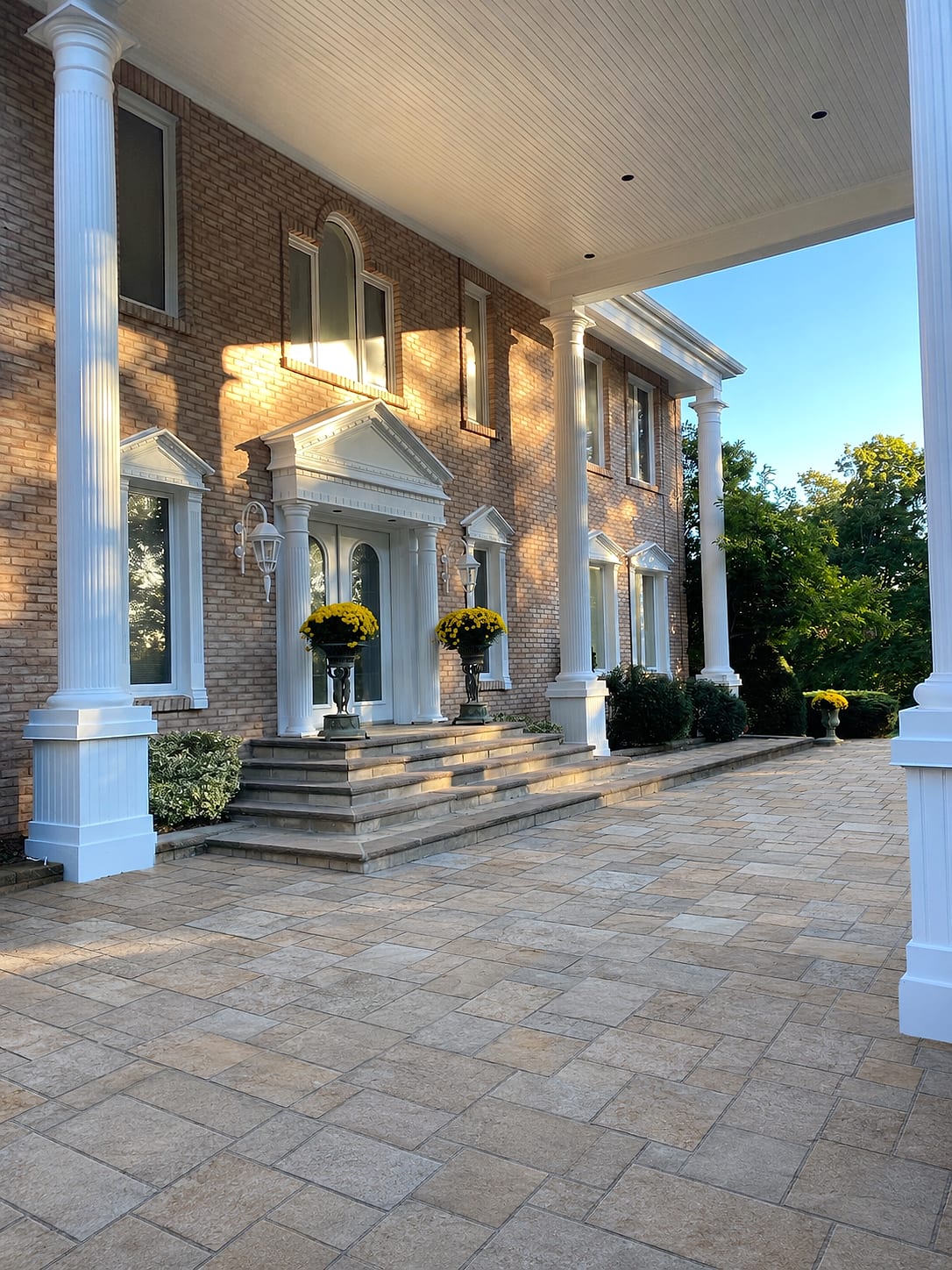
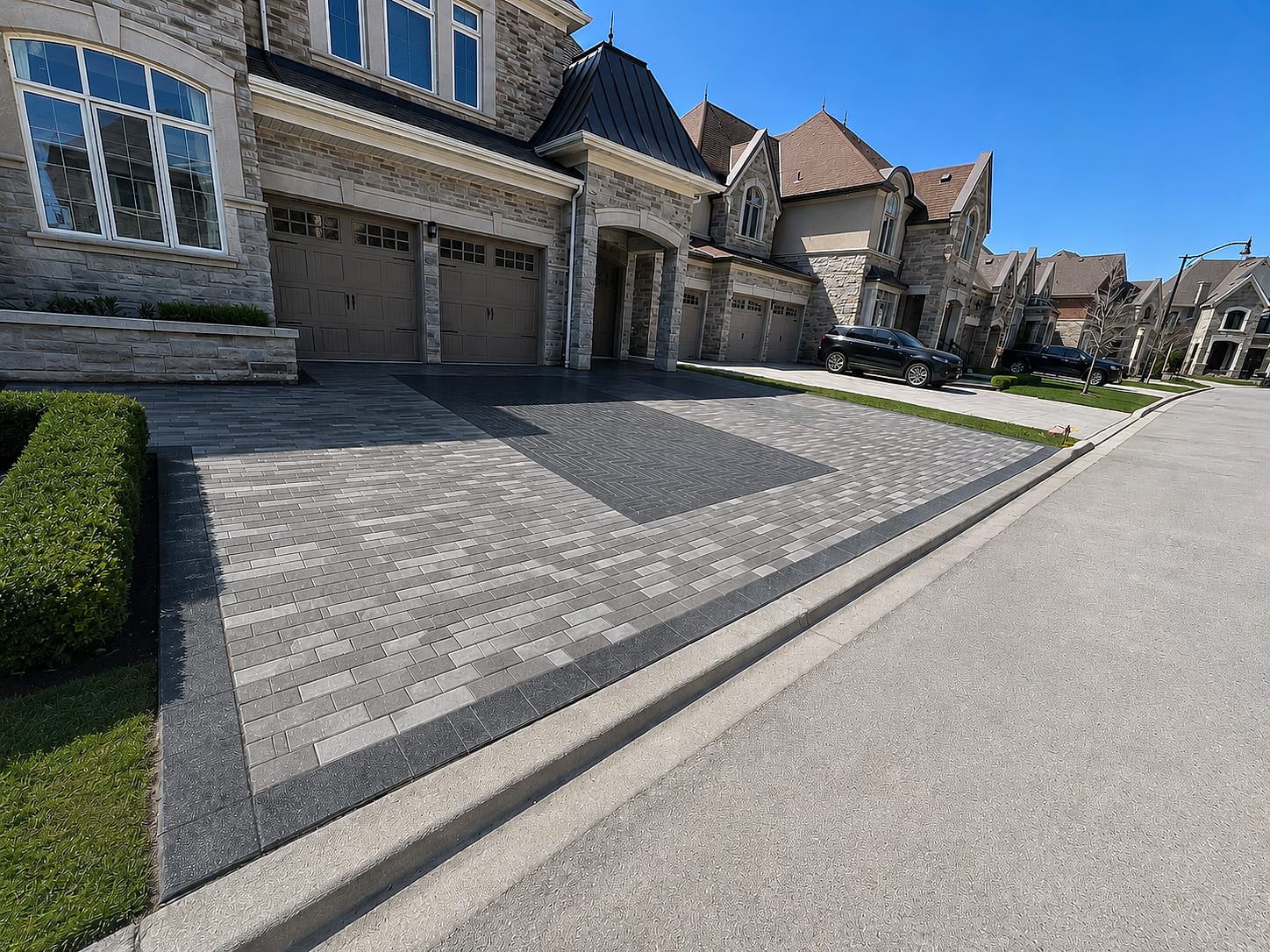
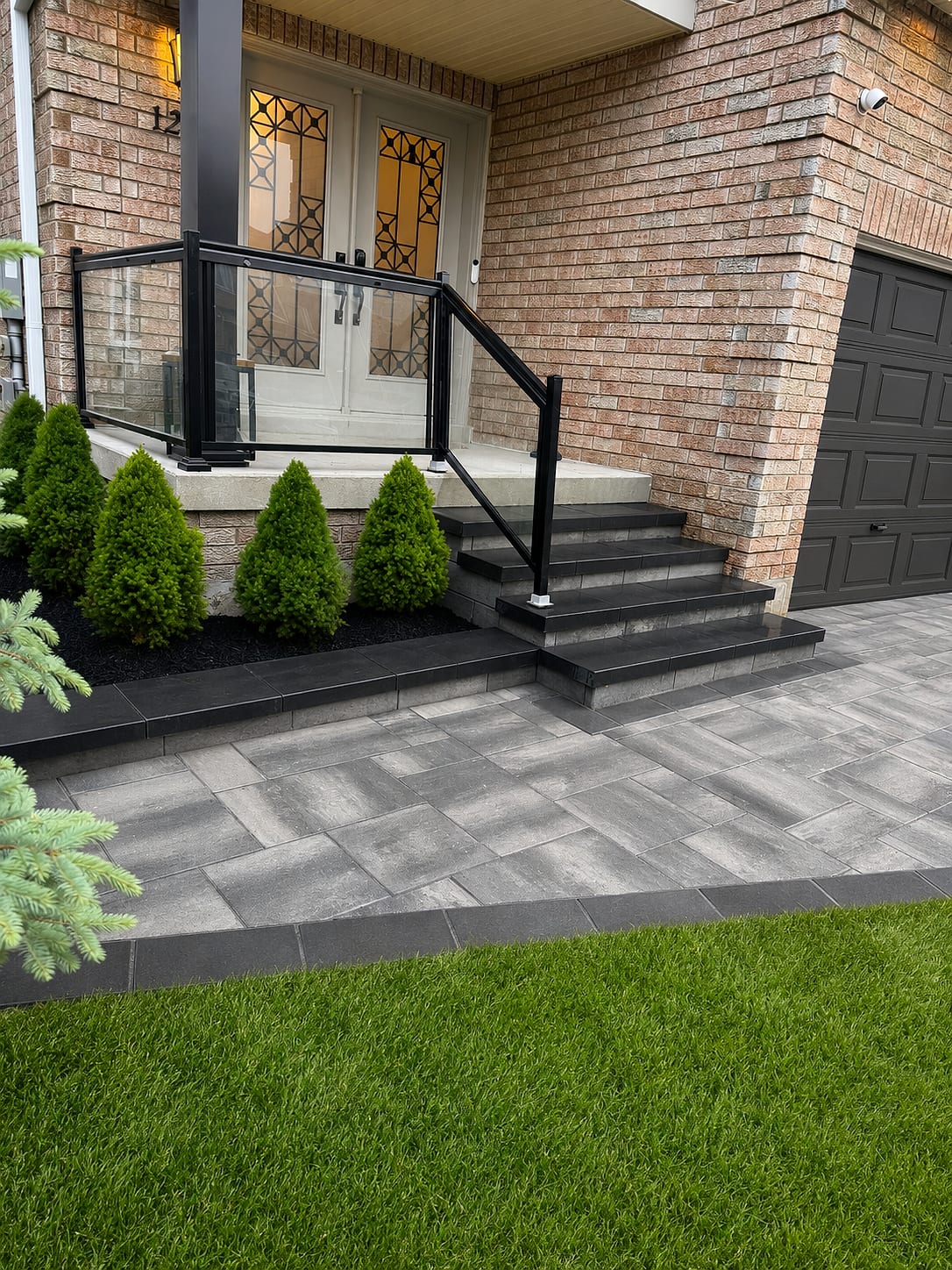
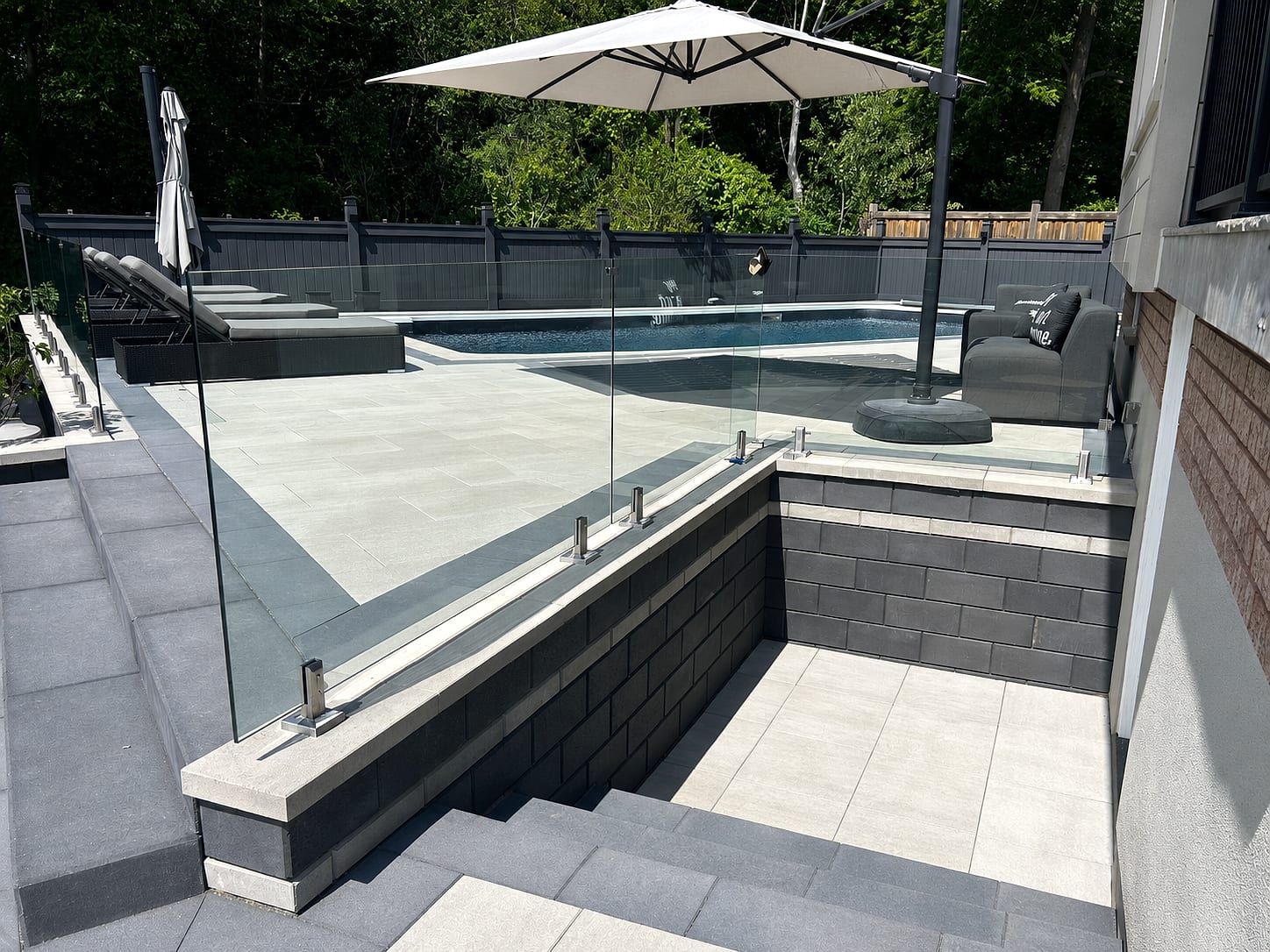
Retaining Walls & Flower Beds projects across the GTA
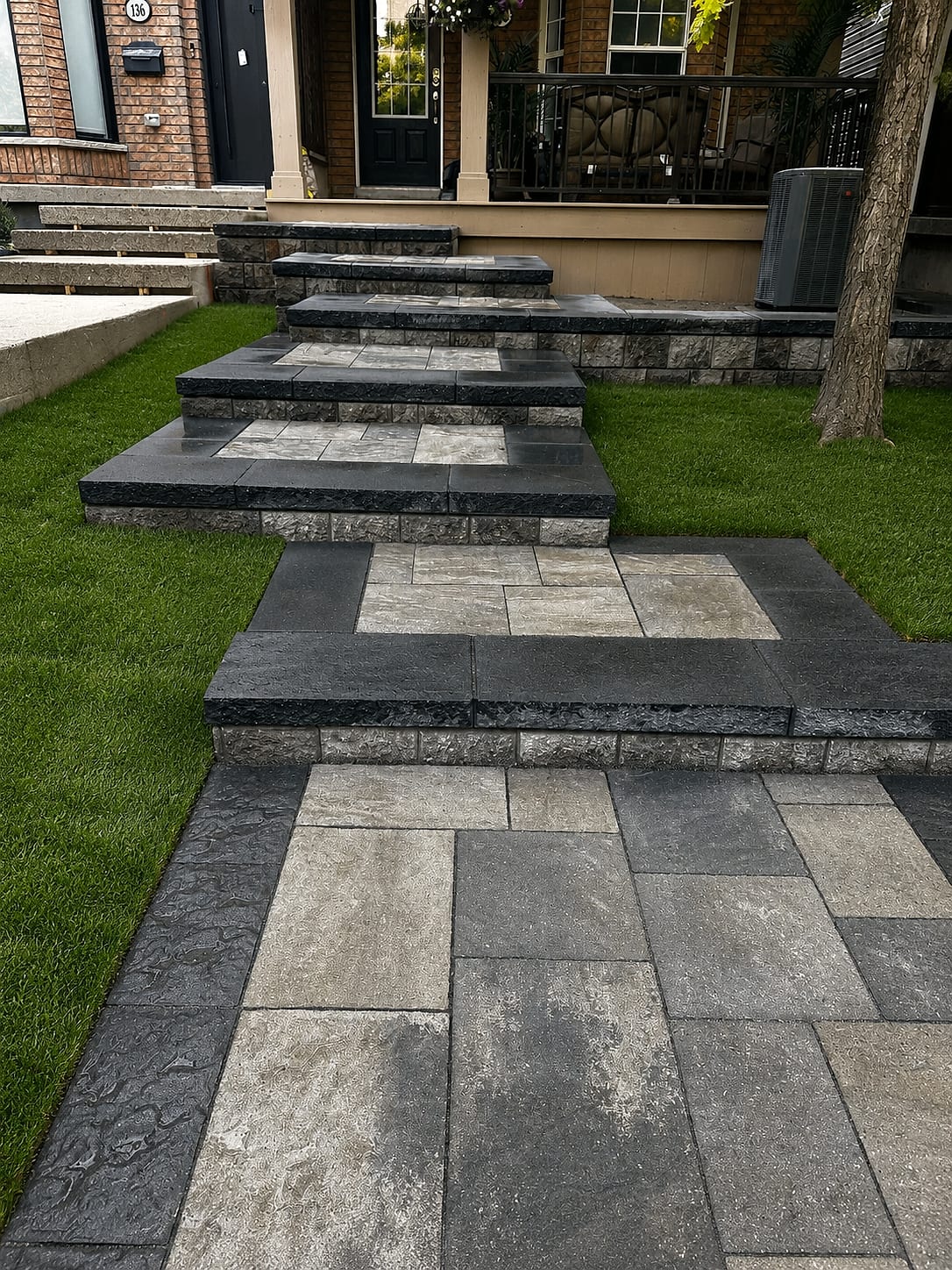
More of our work in the full project gallery.
Where We Build
Retaining Walls & Flower Beds across the GTA
Local pages with the neighbourhoods, site conditions and pricing that actually apply where you live.
Our Process
From first call to final walkthrough
Consultation
We visit your property, listen to how you want to live outdoors, and survey the site — no charge, no pressure.
3D Design
You receive a detailed concept with material palettes and 3D renderings so you can see the finished space before we build.
Fixed Proposal
An itemized, fixed-scope quote covering every trade, material and timeline. The number we agree on is the number you pay.
Build
Our own crews execute the build — masons, carpenters, planters and electricians — with a dedicated project lead on site.
Walkthrough & Warranty
We hand over a finished, cleaned-up property, walk you through care, and back the workmanship with a multi-year warranty.
Good to Know
Retaining Walls & Flower Beds FAQs
Still have a question about your retaining walls project? Call (416) 846-5893 — we’re happy to help.
Most retaining walls projects fall between $20,000 – $250,000+, depending on size, materials, access and site conditions. After a free on-site consultation we provide a fixed, itemized quote — the price we agree on is the price you pay, with no surprise change orders.
Yes. We start with an on-site consultation and measured survey, then produce a concept with material palettes and photoreal 3D renderings so you can see and refine your retaining walls before any construction begins.
Timelines depend on scope and weather, but you'll receive a firm schedule with your proposal and a dedicated project lead on site throughout. We sequence every trade in-house so the job moves without subcontractor delays.
Yes. A-Z Landscaping is a licensed landscape contractor, and every retaining walls project is backed by a multi-year workmanship warranty in addition to manufacturer warranties on materials.
We're based at 180 Brodie Dr in Richmond Hill and serve the entire Greater Toronto Area — including Vaughan, Toronto, Markham, Mississauga, Oakville, King City, Aurora, Thornhill and Newmarket.
Start Your Project
Ready to talk retaining walls?
Send a few details and we'll reach out within one business day to book your free, no-obligation consultation.
Talk to us directly
About the author
 A-Z Landscaping Design-Build Team
We are a landscape design-build contractor operating out of 180 Brodie Dr #5 in Richmond Hill, serving Vaughan, Toronto and the wider GTA since 2014. Everything published here comes from the crews who actually dig the base, pour the footings and set the stone — not from a content agency.
Pages are reviewed by the project-management team against how we currently build and price, and the date shown on each page is when that review last happened.
More about A-ZWho wrote this, and why you can act on it
Our retaining walls pages are written by the crews who build the work and reviewed against how we currently spec and price it.
- Established 2014 — 12+ years building in the GTA
- Continuously operating landscape design-build contractor working across Vaughan, Richmond Hill, Toronto, Markham and the surrounding municipalities.
- 380+ completed landscape projects
- Residential and commercial builds ranging from single driveways to full-property design-build programs, documented in our project gallery.
- 9-person in-house crew — no subcontractors
- Masons, carpenters, planters and electricians on our own payroll, so one company carries the design, the build and the warranty.
- Photoreal 3D design for every project
- Your actual house, grades and material palette modelled in three dimensions and approved by you before any excavation begins.
- Fixed, itemised quoting
- Excavation, disposal, aggregate, materials, edge restraint, drainage and restoration priced line by line — the signed number is the number you pay.
- Multi-year workmanship warranty
- Our own build is warranted by us, alongside manufacturer coverage on pavers, wall block and lighting.
Buyer Guides
Planning retaining walls? Start here
Keep Exploring